Deborah Rossetto

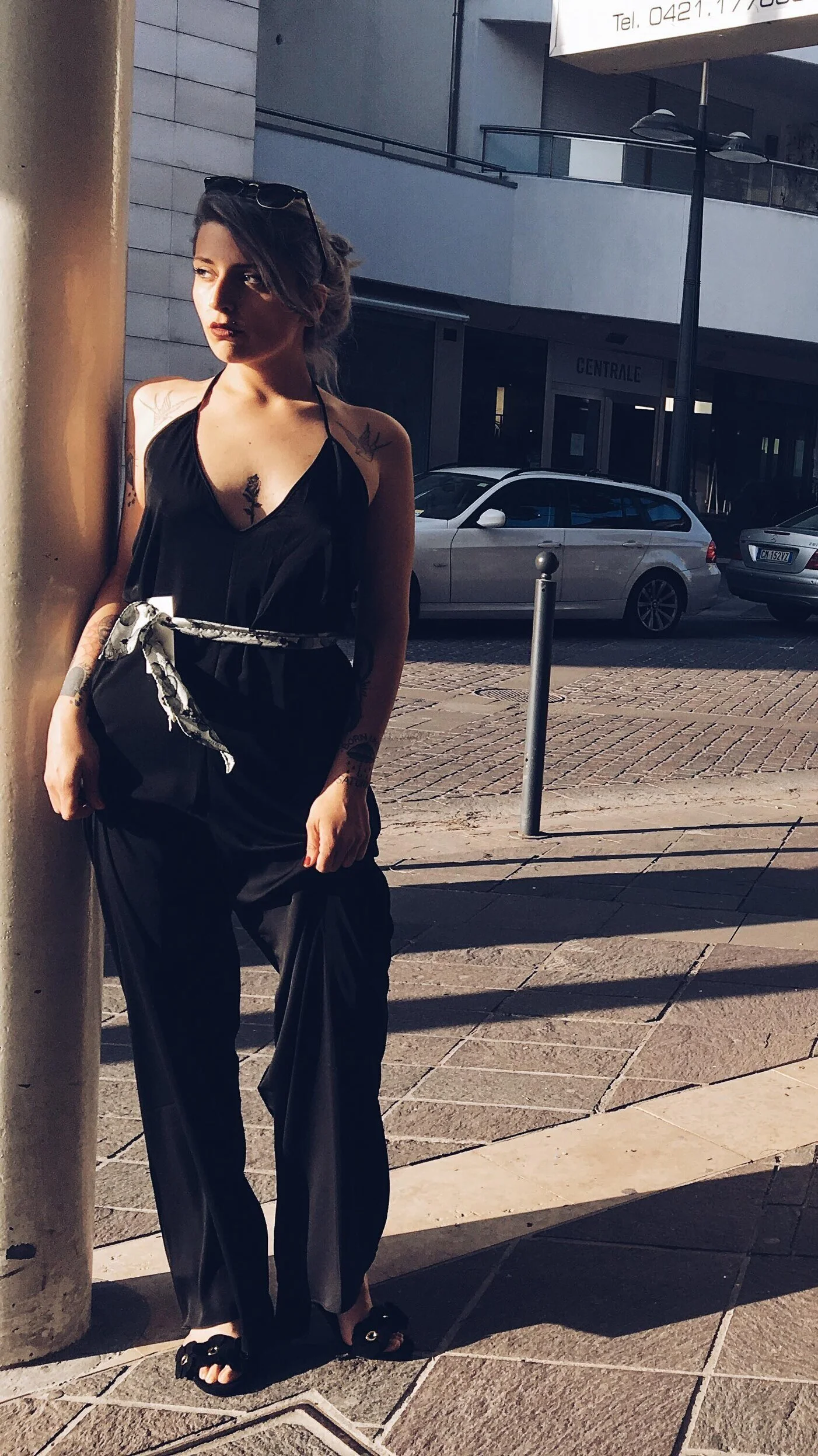
You may know Deborah from her mystically popular IG Born Under Saturn (and if you don’t, you should!). She is a Venice, Italy based tarot reader, artist, designer & much more. Her passion for tarot will have you hooked!
What attracted you to tarot? What was the beginning of your journey?
I can't remember a specific day when I began to consider tarot a part of my life. I always remember being attracted to it and, by chance, when I was about 14, I met an old lady who gave me my first tarot deck, pushing me to learn. Since that time the tarot cards have become part of my life. I have always been fascinated by the meaning of images in general. Reading reality through iconography (the semantic approach) with tarot images is definitely a passion. And there is also the idea that tarot cards help us to discover parts of ourselves and of our life that we do not see clearly (the therapeutic approach).
How did you learn to read tarot? Do you think it’s something that comes naturally?
I think it's natural, yes. It’s hard to remember my learning path—since I was so young, it was very instinctive. I always say this to everyone: if something comes naturally to you, you're doing it right!
It’s not only instinct that’s important, but also discipline and study. I approached the tarot cards also trying to understand their history, their path and how various societies used them. The study of human psychology is one of the keys to understanding tarot iconography and deciphering the symbols of the arcana. In short, I think it is important to see the tarot cards not only as a divinatory game, but as a collection of sacred "semiotic texts" that change and are enriched throughout history.
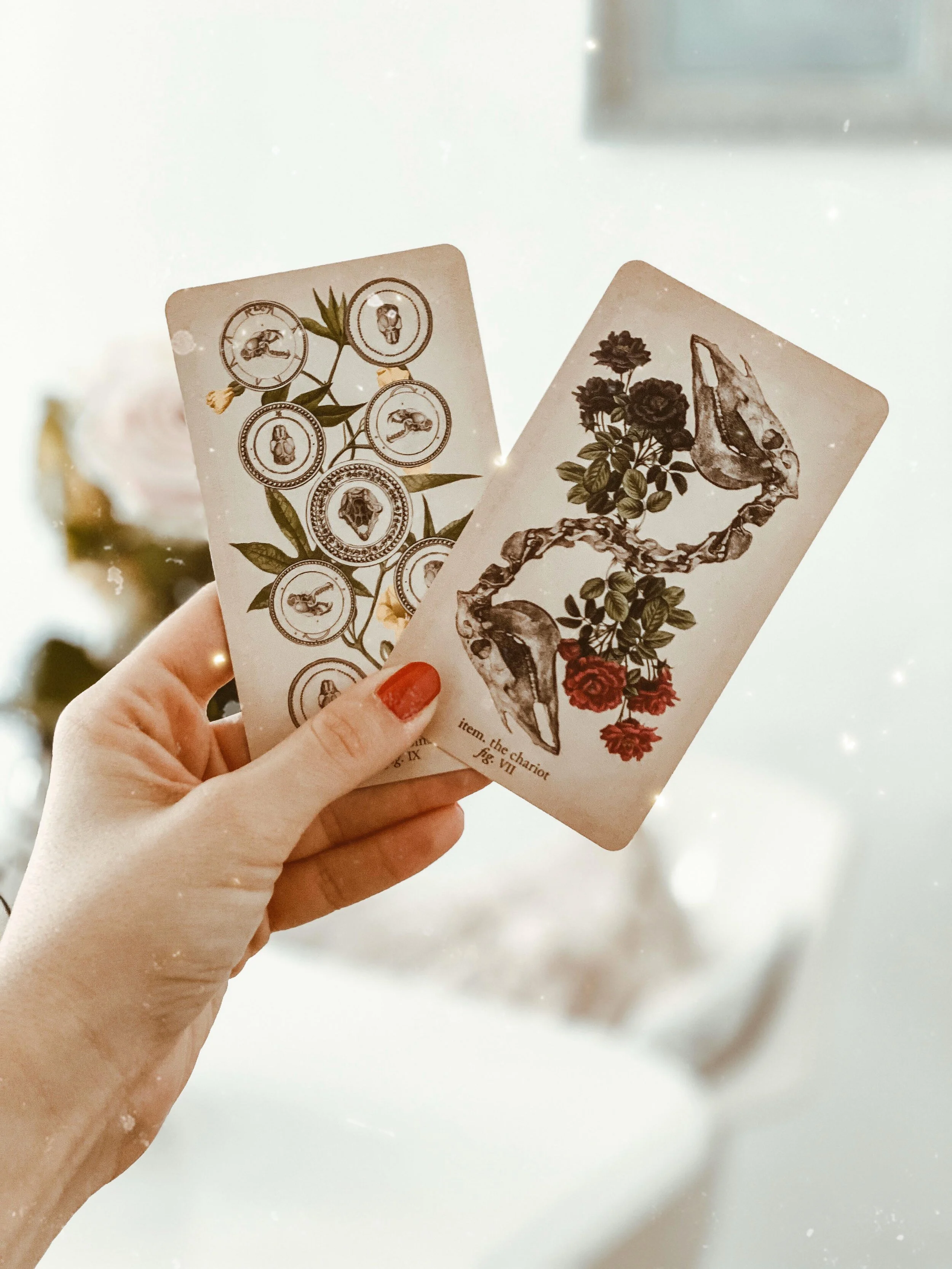
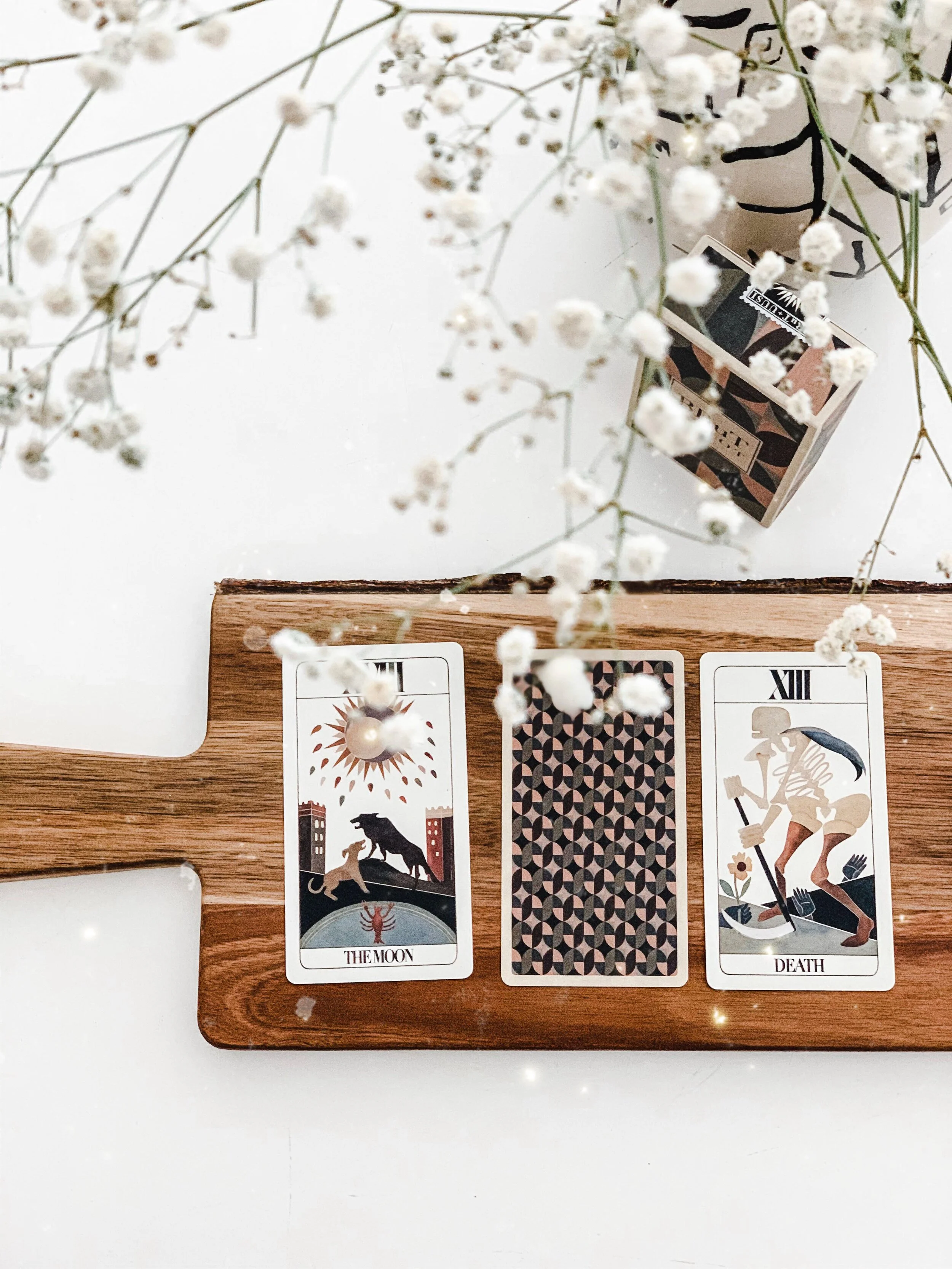
Is tarot creative?
Yes, I believe that reading tarot cards, or simply appreciating their images, is a creative process. Interpreting images, creating dialogues, trying to investigate our inner self through archetypes is much more than a simple divinatory process. What is art if not an attempt to understand what lies beyond the veil of reality?
Can you describe what a typical tarot reading experience looks like?
I'm not sure I can describe it in words. But I think it is very close to what we could call a dialogue with ourselves. Mixing the cards, focusing on what we want to know or investigate, and then trying to see it in the cards by interpreting the symbols and trying to make sense of them—it is very similar to psychotherapy.
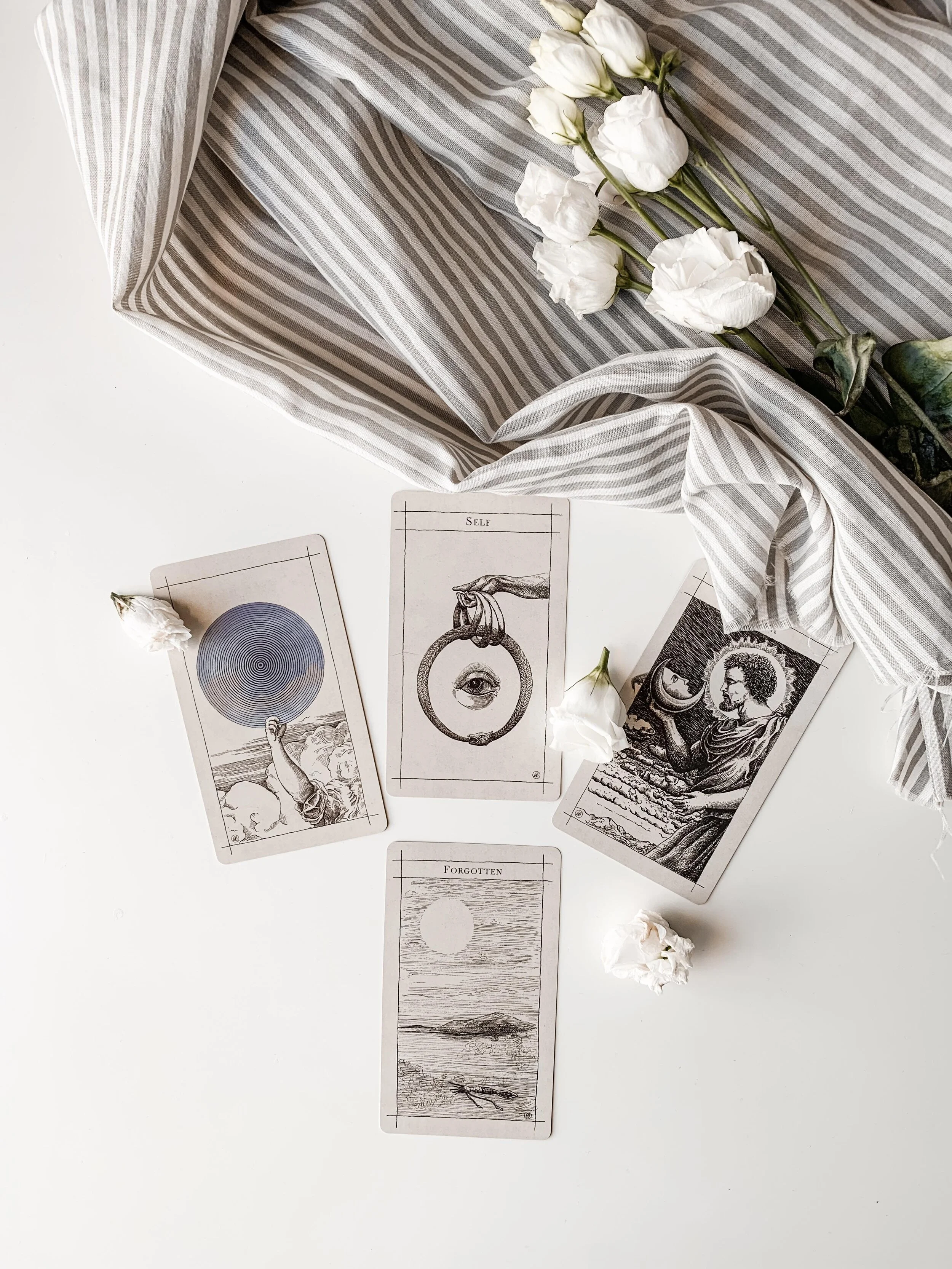
Can everyone benefit from practicing tarot? How can it be used as a tool for self-empowerment?
Yes, I recommend this practice to everyone. Regardless of creed, religion, traditions.
I think it is necessary for everyone to understand that tarot cards are not a magical practice, not in a strict sense. They can be a psychological, introspective and creative tool. It is unfortunate that many people associate tarot with fortune-tellers trying to rip us off.
This is also wrong. For example, I hardly use tarot cards to predict the future. I use them, precisely, as a therapeutic tool.
There is still a lot of ignorance in the world of tarology. For example, the Death card still frightens many people. However, this card is one of the best because it pushes us to change, to leave behind all those things that are not good for us, to embrace the new.